The Future of Webbing Manufacturing: Automation, Customization, and Digital Color Control
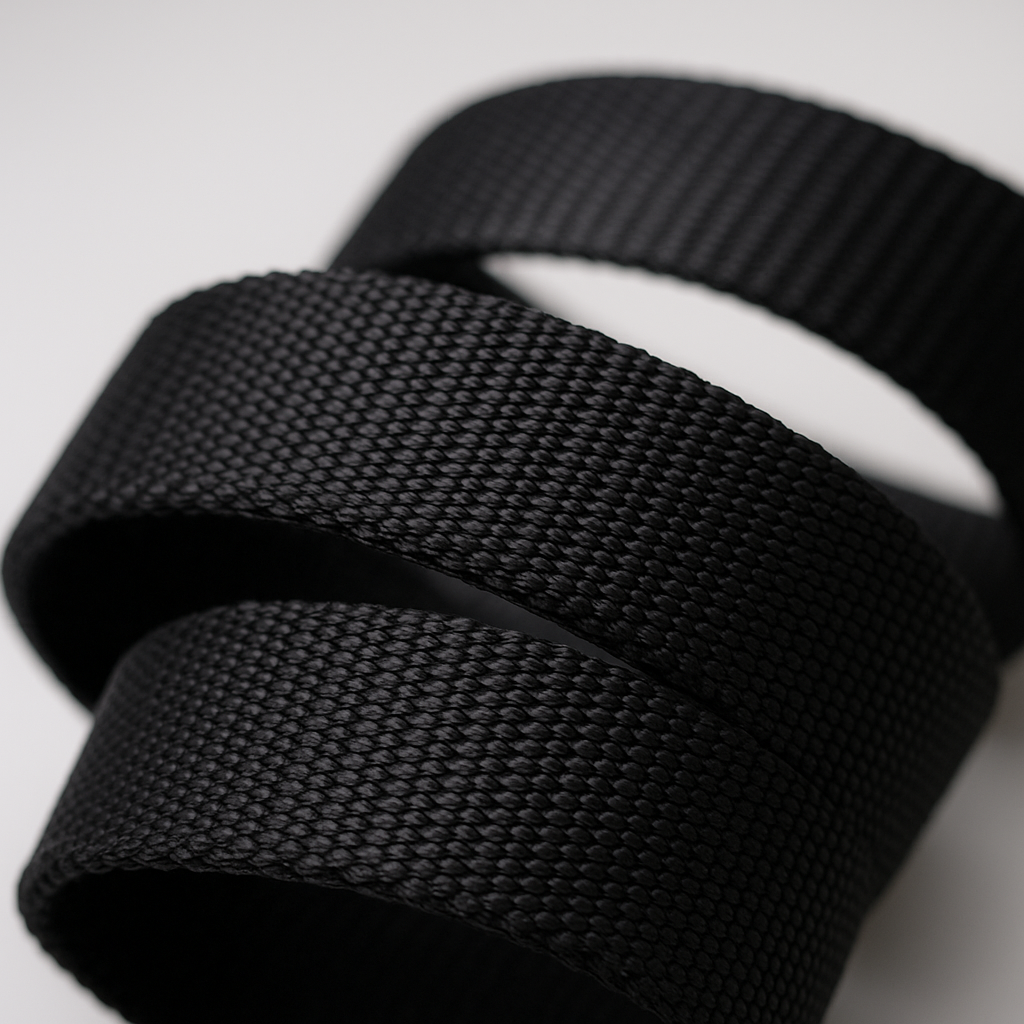
The global webbing industry is entering a new era. With rising demand for high-performance straps in outdoor equipment, safety gear, cargo control, apparel, pet products, transportation, and military sectors, manufacturers must adopt innovative technologies to stay competitive.
Automation, digital production systems, environmental standards, and advanced customization are transforming how webbing is designed, dyed, woven, and tested. In this article, we explore the key technological trends shaping the future of webbing manufacturing — and what global buyers should expect from a next-generation supplier.
1. Automation: Increasing Efficiency and Consistency
Automation has rapidly expanded in textile and webbing production. From yarn processing to weaving and quality inspection, machines now deliver more consistency and efficiency than ever before.
Key Trends in Automation
✔ Automated Jacquard & Shuttle Looms
Advanced weaving machines automatically control tension, pattern precision, density, and consistency — minimizing human error and improving mass-production quality.
✔ Automated Dyeing Machines
Consistent color penetration
Optimized dye-to-water ratio
Reduced energy consumption
This ensures excellent colorfastness and repeatability, especially important for branding and tactical webbing.
✔ Automatic Length-Cutting and Ultrasonic Cutting
Ultrasonic cutters prevent fraying and ensure edge stability, essential for straps used in heavy-duty or safety applications.
✔ Optical Quality Inspection Systems
AI-enabled cameras detect:
Yarn misalignment
Broken filaments
Pattern inconsistency
Color deviation
These systems protect buyers from defective batches and ensure consistent performance.
A manufacturer like Elesa Webbing invests in automated weaving and dyeing systems to guarantee stable production quality.

2. Customization: Meeting Diverse Requirements for Global Industries
Buyers today need webbing that performs well — but also fits their brand, style, and application requirements. Customization has become one of the most important competitive advantages in the industry.
Customization Options Buyers Can Expect
✔ Custom Widths
6 mm to 300+ mm
Precision weaving for different load capacities
✔ Custom Materials
Nylon (strength & flexibility)
Polyester (UV resistance & durability)
Polypropylene (lightweight & waterproof)
RPET recycled polyester
Bio-based nylon
Aramid fibers (high heat resistance)
✔ Custom Colors with Digital Control
Manufacturers now use digital color systems to match Pantone, RAL, and custom brand palettes with over 95–99% accuracy.
✔ Custom Logo & Pattern Weaving
Jacquard woven branding (high-end markets)
Custom printed webbing
Reflective patterns and safety markers
✔ Custom Functional Features
FR (flame-resistant) webbing
UV-resistant outdoor straps
Anti-slip rubber threads
High-visibility reflective coatings
TPU / PVC coated waterproof straps
This level of customization positions suppliers like Elesa Webbing as long-term, strategic partners for brand manufacturers, wholesalers, and product developers.

3. Digital Color Management: Precision for Branding and Industrial Consistency
Traditional dyeing methods often resulted in slight color variation between batches. Today, digital systems allow manufacturers to control and reproduce colors with remarkable accuracy.
Modern Digital Color Control Includes:
✔ Spectrophotometer-Based Color Matching
Ensures color consistency across large batches
Minimizes rejections caused by color variations
✔ Color Recipe Digital Storage
Allows re-production of identical colors even years later
Very important for automotive, military, and outdoor brands
✔ Solution-Dyed Yarn (Dope Dyeing)
Color is added before the fiber is formed — creating:
Superior UV resistance
Excellent colorfastness
Eco-friendly dyeing
Reduced water waste
Digital color management guarantees product consistency, which is critical for manufacturing brands that rely on exact color identity.
4. Eco-Friendly Production: Sustainability Becomes an Industry Standard
Global buyers increasingly require eco-friendly, compliant materials. Webbing manufacturers are transitioning toward sustainable and low-impact solutions.
Sustainable Innovations in Webbing Manufacturing
✔ RPET Recycled Polyester Webbing
Made from recycled plastic bottles
Strong, durable, and environmentally responsible
✔ Bio-Based Nylon
Lower carbon footprint versus petroleum-based nylon
Suitable for outdoor and consumer products
✔ Water-Saving Dyeing Processes
Reduced chemical discharge
Lower resource consumption
✔ OEKO-TEX & REACH Certification
Guarantees no harmful substances
Ensures international safety compliance
Eco-friendly webbing options are becoming essential for brands in Europe, the US, and Japan.
5. Smart Coatings and Ad
vanced Surface Technologies
Surface treatments play a major role in performance and durability. Modern webbing can be engineered for highly specific applications using advanced coatings.
Popular Coatings for Next-Generation Webbing
✔ TPU Coated Webbing
Waterproof
Cold-resistant
Ideal for outdoor gear, dog leashes, equine products
✔ Reflective Coatings
Heat-transfer reflective
Woven reflective threads
TPU reflective films
Enhances nighttime visibility and safety.
✔ Anti-Microbial Treatments
Used in medical devices, sports gear, hospital straps.
✔ Fire-Resistant Coatings
Required in industrial, firefighting, and military gear.
By combining modern coatings with strong base materials, suppliers deliver highly durable, function-specific webbing for complex applications.
6. Digital Supply Chain: Faster Development and Lower Risk
Manufacturers are adopting digital systems to improve communication, shorten lead times, and enhance transparency.
Digital Innovations Include:
✔ Online color previews
✔ 3D sample visualization
✔ Automated sample tracking
✔ Real-time production monitoring
✔ Electronic QC records
This reduces communication errors and speeds up development cycles while ensuring consistent quality across batches.
7. What Global Buyers Should Expect from a Modern Webbing Supplier
A future-ready webbing manufacturer should meet the following criteria:
✔ Automated production for consistent quality
✔ Full customization capabilities
✔ Strong digital color management
✔ Eco-friendly materials & compliance
✔ Advanced coating options
✔ Reliable testing & certification support
✔ Transparent digital supply-chain communication
Buyers looking for a long-term partner should prioritize suppliers with strong R&D capabilities and modern production equipment.
For premium nylon, polyester, polypropylene, jacquard, reflective, TPU-coated, and custom webbing solutions, visit:
???? https://elesawebbing.com/
Conclusion
The future of webbing manufacturing is defined by automation, advanced customization, sustainability, and digitalization. These innovations allow manufacturers to produce stronger, more consistent, and more specialized webbing for global industries.
Brands, wholesalers, and industrial manufacturers looking to stay competitive should partner with suppliers who embrace these technologies — ensuring long-term product quality and market advantage.